

Coach Them Hard, Love Them Harder
I played college football at North Greenville, and I never won a championship. I was never part of a team anyone would call a winner, and for a long time I carried that the way most former players carry it, quietly and a little too close. What I didn't understand until much later is that I never really studied the people in charge. I followed them, resented them some days, and loved them on others, but I didn't watch them the way I watch them now.
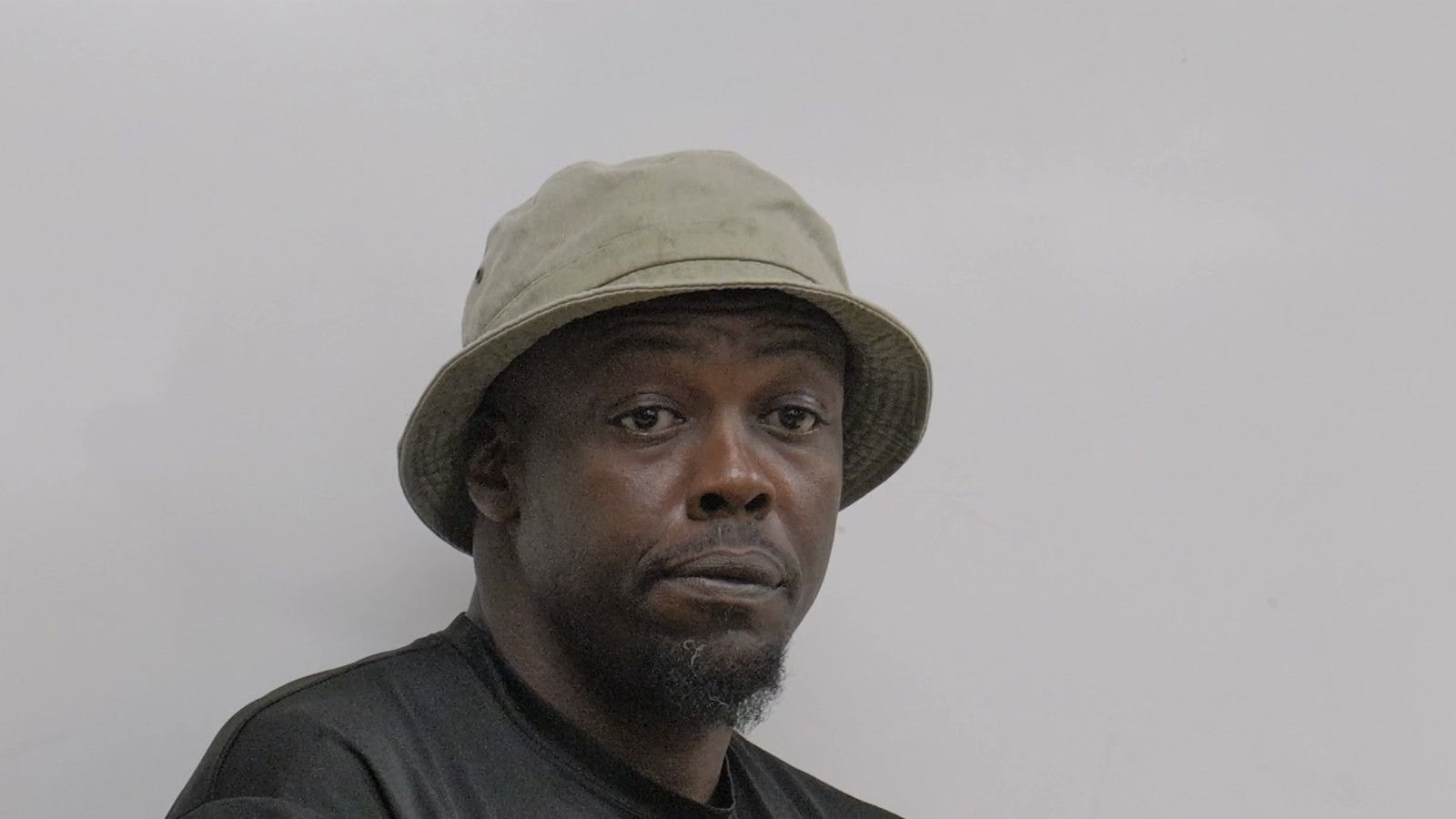
Standing on a sideline with a camera changes what you see. You stop tracking the ball and start tracking the people responsible for everyone around it. You hear the conversation after the drill ends, the one the players don't always register. You see a coach decide, in about two seconds, whether a moment calls for a raised voice or a hand on a shoulder. Over the last few years, that view has taught me more about leading than anything I learned while I was wearing pads, and it has shaped how I run a company that, most days, is a crew of one.
A Program With No Games
The first lesson came from a program that didn't have a scoreboard yet. In 2023 I started documenting Anderson University as it built a football program from nothing, and the series became Leading the Charge: The Making of Anderson Football. Their first year had no games in it at all. I filmed move-in, the first team meetings, the first practice, the first full-contact practice, a kickoff event marking one year until the first real game, the Black and Gold game, and fifteen spring practices. Every one of those days asked young men to work like it mattered with no opponent on the calendar to make it feel urgent.
That is a strange thing to lead. Most of football's motivation is borrowed from Friday or Saturday, from the team across the field and the people in the stands. Take that away and a staff has to manufacture meaning out of a practice schedule and a promise. I watched the coaches there do it by being specific. They didn't talk about someday in general terms. They talked about the next rep, the next meeting, the standard for how you show up to a building that didn't have any history yet, because the history was going to be whatever these players made it.
By the time the Black and Gold game came around at the end of those fifteen spring practices, I could see what that patience had built. Nobody was celebrating a win, because there was nothing to win yet. What they had instead was a group of young men who knew each other, knew the standard, and had learned to compete against themselves when there was no one else to compete against. The bittersweet part, which I tried hard to capture, was that they could feel how far they'd come and how far they still had to go at the same time.
I didn't know it then, but I was learning how to run an independent production. Most of what I do happens a long time before there is anything to show anyone. There's no premiere date that feels real for months, and nobody is grading the work while it's being made. The Anderson staff taught me that when the scoreboard is far away, you lead by deciding what a good day looks like and then holding yourself to it.

First Nights and Hard Weeks
Some of the best leadership I've filmed came from coaches in their first season, when nothing is inherited and everything has to be established. On Friday night, August 2, 2024, I filmed Gray Collegiate's first official practice under their new head coach, De'angelo Bryant. It was thirty-nine days before their first game. He ran that practice at game time, on a Friday night, so the players would feel what a Friday was supposed to feel like, and it ended with the whole team running conditioning together. There's a way of setting a tone without announcing that you're setting one, and that night was it.
At Lugoff-Elgin, I made a film called Win the Day during Coach Leon Boulware's first season as head coach. Midway through one game week, a tropical front pushed their game from Friday to Thursday. Every plan a staff makes for a week is built around a certain number of days, and suddenly they had fewer. Watching a first-year head coach absorb that and keep the week calm taught me something about adjusting without letting anyone see you scramble. I built that film to jump back and forth across the week and line up at kickoff, partly because that's what the week felt like from where I stood.
At Bamberg-Ehrhardt, I filmed the 2025 spring game under Coach Crosby. Severe weather postponed it, and they rescheduled it for a Saturday that turned out crisp and cool, like early fall had shown up a few months ahead of time. The staff treated a spring game like it counted, and the players responded the way players do when the adults around them take something seriously. None of these moments were dramatic in the way television likes. They were leaders doing the ordinary work of setting expectations, and I got to stand close enough to see it.
Quiet Is a Choice
When I spent the 2025 season with Lower Richland, I expected speeches. That's what sports films have taught all of us to expect: the big halftime moment, the coach who turns a season around with one perfectly timed sentence. What I got from Head Coach Marlin Taylor was quieter and, honestly, more useful. When the team came back from a break and the rhythm was gone, he didn't put on a show for my camera. He spoke to his twenty-five seniors directly, almost like a father would, and made it clear that this team would go as far as they were willing to take it. He put the weight where it belonged and trusted them to carry it.
Coach Harry Curnell gave me another version of the same lesson. After a hard loss, with doubt sitting on the whole team, he talked to the players about purpose. The heart of it was simple: if you don't find your purpose for playing and chase it with everything you have, you're cheating yourself. He wasn't yelling. He was asking them to look at their own reasons, which is harder than being told what to do.
There's a line on one of the series posters that came out of that season: coach them hard, love them harder. I've come to think it describes the best coaches I've filmed better than anything I could write. The hard part is the standard, and they don't lower it. The love is the reason the standard exists in the first place, and the players can tell the difference between a coach who's demanding because he's angry and one who's demanding because he believes they can get there.

I learned more about leading from a sideline with a camera than I ever did wearing pads.
Leading a Crew of One
Most days, kendallprojects is me. I'm the director, the Steadicam operator, the editor, the colorist, the person picking the music, and the person sending the invoice. That means the first person I have to lead is myself, and I'm a harder case than any player I've filmed. I can push past healthy limits without noticing, and I can talk myself out of rest more easily than I can talk myself into it. Watching coaches taught me that leading yourself works the same way as leading a team. You set a standard that you don't negotiate with, and you give yourself the kind of care that makes the standard sustainable instead of punishing.
It changed how I lead the people I work for, too. Clients, coaches and athletic directors don't need me to perform confidence for them. They need clarity about what happens next and the sense that I care about their story more than my own reel. When I overdelivered at Anderson, giving them more episodes, longer cuts and extended content than I'd been contracted for, I did it as an act of service and hoped it would earn a second season. The university went another direction, and I was genuinely sad not to be back. But I've never regretted how I showed up there, and I'd make the same choice again, because the players and coaches got a better record of their first year than they would have otherwise.
The best coaches also taught me how to correct someone without making them smaller. On every staff I've filmed, the coaches who got the most out of their players were specific about the mistake and generous about the person. They named the missed assignment, showed the fix, and moved on, without making it about the player's worth. I try to work with clients and collaborators the same way now. When a cut isn't working or a plan needs to change, I say so plainly, and then I make it clear that we're still on the same side of the ball.
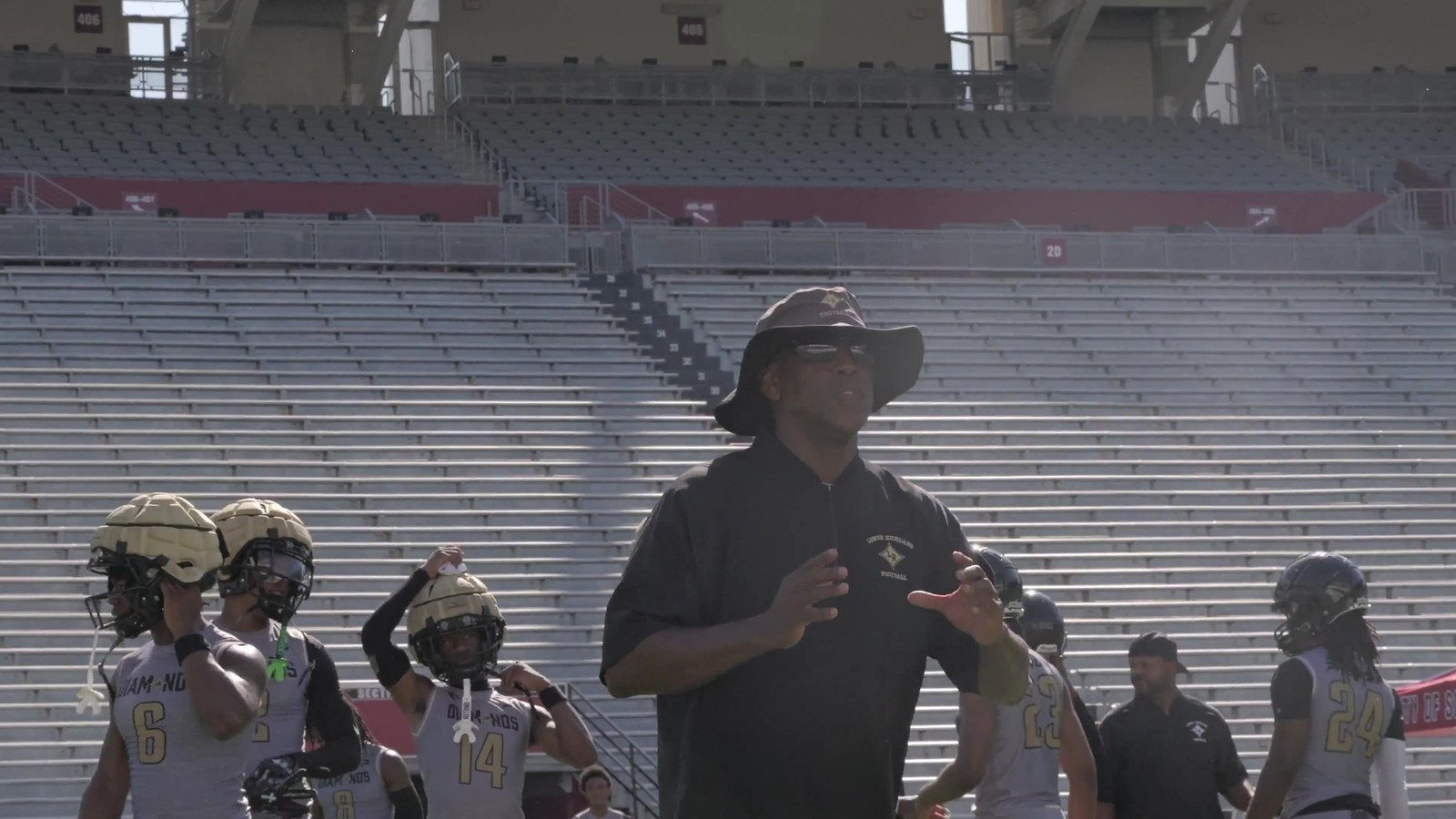
It reaches into my home, too. I'm a husband and a father, and I've had to learn that the voice I use on a long day matters as much as anything I say. The coaches who moved me most rarely raised their voices, and when they did, everybody knew it meant something. I'm trying to lead the people I love that way, with a high standard and a lot of grace, and I'm still learning.
I'm grateful for every staff that let me stand close enough to see how they do it. The former player in me still wishes he'd had a championship. The filmmaker in me knows he got something better: years of watching good people lead young men when nobody was keeping score, and the chance to carry what they taught me into my own work.
Every Thursday, the Film Room letter carries what doesn't make the Journal. This week it's a short clip of a coach's talk that never made a final cut, shared with his permission. Get the Film Room letter
If you lead a program and want this kind of storytelling for your players, begin your film here.


